

Ceramic resonators are widely used in various electronic applications due to their cost - effectiveness, small size, and relatively stable performance. As a supplier of ceramic resonators, I often receive questions from customers about the influence of magnetic fields on these components. In this blog, we will explore whether ceramic resonators are affected by magnetic fields and the underlying scientific principles.
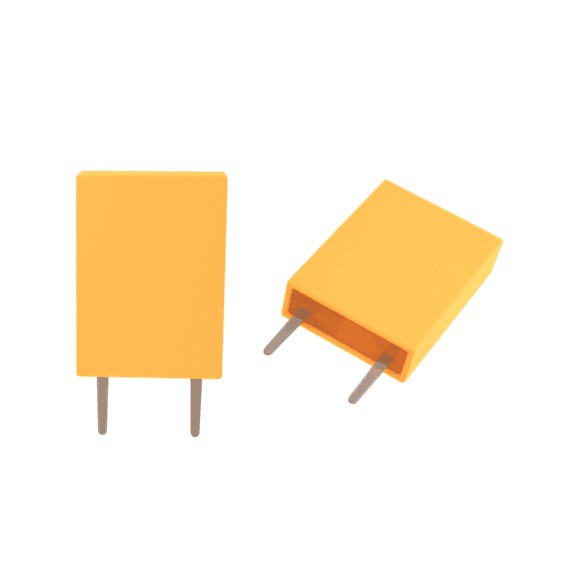

How Ceramic Resonators Work
Ceramic resonators operate based on the piezoelectric effect. Piezoelectric materials, such as certain ceramics, can generate an electric charge when subjected to mechanical stress and, conversely, deform when an electric field is applied. In a ceramic resonator, an alternating electrical signal is applied to the ceramic element. This causes the ceramic to vibrate at its resonant frequency. The resonant frequency is determined by the physical dimensions and material properties of the ceramic.
The vibration of the ceramic generates an electrical output signal with a specific frequency. This output signal is used in electronic circuits, such as in oscillators, to provide a stable frequency reference. For example, in a microcontroller - based system, a ceramic resonator can be used to set the clock frequency of the microcontroller, ensuring its proper operation.
The Nature of Magnetic Fields
Magnetic fields are produced by moving electric charges or magnetic materials. They can be classified into static magnetic fields (such as those produced by permanent magnets) and alternating magnetic fields (such as those produced by AC - powered electrical devices). Magnetic fields have the ability to interact with magnetic materials and charged particles.
Interaction between Ceramic Resonators and Magnetic Fields
The main material of ceramic resonators is piezoelectric ceramic, which is generally non - magnetic. Piezoelectric ceramics are composed of materials like lead zirconate titanate (PZT). These materials do not have a significant magnetic susceptibility, meaning they are not strongly attracted or influenced by magnetic fields.
In most cases, static magnetic fields have little to no effect on the operation of ceramic resonators. Since the piezoelectric effect that governs the operation of ceramic resonators is based on mechanical and electrical interactions, rather than magnetic ones, the presence of a static magnetic field does not directly interfere with the vibration of the ceramic element.
However, alternating magnetic fields can potentially cause problems. When an alternating magnetic field is present, it can induce eddy currents in conductive parts of the ceramic resonator or its surrounding circuit. Eddy currents are circular electric currents that are generated in a conductor when it is exposed to a changing magnetic field. These eddy currents can produce heat and may also create additional electromagnetic interference.
If the eddy currents are significant, they can cause a change in the electrical properties of the circuit, which may in turn affect the performance of the ceramic resonator. For example, the additional heat generated by the eddy currents can cause the temperature of the ceramic resonator to rise. Since the resonant frequency of a ceramic resonator is temperature - dependent, an increase in temperature can lead to a shift in the resonant frequency.
Practical Considerations in Electronic Circuits
In real - world electronic circuits, ceramic resonators are often used in close proximity to other components, some of which may generate magnetic fields. For example, transformers, inductors, and motors can all produce magnetic fields. To minimize the potential influence of magnetic fields on ceramic resonators, proper circuit layout and shielding techniques can be employed.
When designing a circuit, it is important to keep the ceramic resonator away from magnetic - field - generating components. This can be achieved by increasing the physical distance between the resonator and these components. Additionally, using magnetic shielding materials, such as mu - metal, can help to reduce the impact of external magnetic fields on the ceramic resonator.
Our Ceramic Resonator Products
As a ceramic resonator supplier, we offer a wide range of high - quality products. For instance, our SMD Ceramic Resonator HCTB1 is designed for surface - mount applications. It provides a stable frequency output and is suitable for use in various electronic devices, such as mobile phones, tablets, and IoT devices.
Our Small Size SMD Ceramic Resonator HCTA is ideal for applications where space is limited. Despite its small size, it offers excellent performance and reliability.
If you are looking for a ceramic resonator with high stability, our Ceramic Resonator with High Stability is a great choice. It is designed to maintain a consistent frequency output even in challenging environments.
Conclusion
In general, ceramic resonators are relatively immune to static magnetic fields due to the non - magnetic nature of their piezoelectric ceramic materials. However, alternating magnetic fields can potentially affect their performance by inducing eddy currents and causing temperature changes. To ensure the proper operation of ceramic resonators in electronic circuits, it is important to take appropriate measures to minimize the influence of magnetic fields.
If you are interested in our ceramic resonator products or have any questions about their performance in magnetic field environments, please feel free to contact us for further discussion and procurement. We are committed to providing high - quality products and excellent customer service.
References
- "Piezoelectricity: Fundamentals and Applications" by G. H. Haertling
- "Electromagnetic Compatibility Engineering" by Henry W. Ott