

Can ceramic resonators be used in medical devices? That's a question I've been getting a lot lately, and as a supplier of ceramic resonators, I'm more than happy to dive into it.
First off, let's talk about what ceramic resonators are. Simply put, they're electronic components that generate a specific frequency. They work based on the piezoelectric effect, where a ceramic material vibrates at a set frequency when an electric field is applied. This makes them super useful in all sorts of electronic devices because they can keep a stable rhythm, so to speak.
Now, onto the big question: can they be used in medical devices? The short answer is yes, and here's why.
Precision and Stability
Medical devices need to be incredibly precise. Whether it's a heart rate monitor, an ultrasound machine, or a glucose meter, the data they collect and the functions they perform have to be spot - on. Ceramic resonators can offer high levels of stability and precision. For example, our Ceramic Resonator with High Stability is designed to maintain a consistent frequency over a wide range of temperatures and environmental conditions. This means that the medical device it's used in can operate reliably, giving accurate readings every time.
Size and Cost - Effectiveness
In the medical field, space is often at a premium. Many medical devices are designed to be portable or small enough to be implanted. Ceramic resonators, especially smaller ones like the Small Size SMD Ceramic Resonator HCTA, can fit into tight spaces without sacrificing performance.
And let's not forget about cost. The medical industry is always looking for ways to keep costs down while maintaining high - quality standards. Ceramic resonators are relatively inexpensive compared to some other frequency - generating components. This makes them an attractive option for medical device manufacturers who want to balance cost and quality.
Compatibility with Other Components
Medical devices are complex systems made up of many different components. Ceramic resonators are compatible with a wide range of other electronic parts. This compatibility makes it easier for medical device designers to integrate them into their products. For instance, the SMD Ceramic Resonator HCTB1 can work seamlessly with microcontrollers and other chips commonly used in medical electronics.
Types of Medical Devices That Can Use Ceramic Resonators
There are several types of medical devices where ceramic resonators can be used:
Diagnostic Devices
Instruments like electrocardiogram (ECG) machines, which measure the electrical activity of the heart, rely on precise timing. A ceramic resonator can ensure that the data collection and analysis are done at the right intervals, leading to more accurate diagnoses.
Therapeutic Devices
Devices such as pulse generators used in pain management or implantable cardioverter - defibrillators (ICDs) need stable frequencies to function correctly. The stable output of a ceramic resonator helps these devices deliver the right amount of energy or stimulation at the right times.
Monitoring Devices
Blood pressure monitors, oxygen saturation monitors, and glucose meters all need to provide accurate and consistent readings. Ceramic resonators can help these devices maintain the necessary precision over long periods.
Challenges and Considerations
Of course, it's not all smooth sailing. There are some challenges when using ceramic resonators in medical devices. One of the main concerns is reliability. Medical devices are often used in critical situations, and a malfunction could have serious consequences. As a supplier, we put our ceramic resonators through rigorous testing to ensure they meet high - quality and reliability standards.
Another consideration is the regulatory environment. The medical industry is highly regulated, and any component used in a medical device must comply with strict standards. We pay close attention to these regulations and make sure that our products meet all the necessary requirements.
Conclusion
In conclusion, ceramic resonators can absolutely be used in medical devices. Their precision, small size, cost - effectiveness, and compatibility make them a great option for a wide range of medical applications. However, it's crucial to work with a reliable supplier who understands the unique requirements of the medical industry.

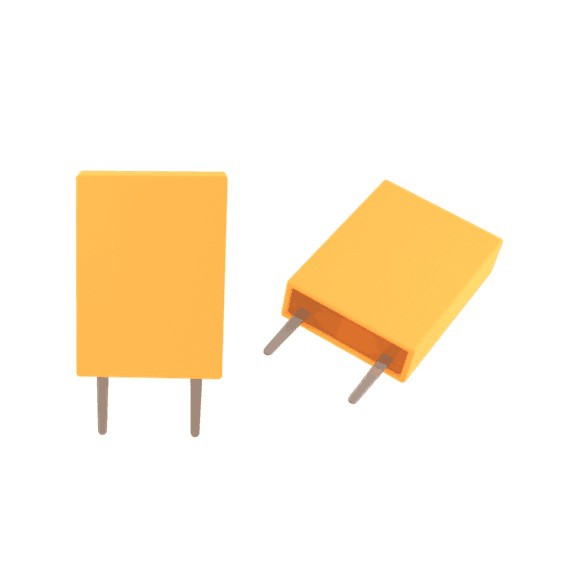
If you're a medical device manufacturer or are involved in the development of medical electronics and are looking for high - quality ceramic resonators, I'd love to talk to you. We have a wide range of products that can meet your specific needs, and our team of experts can provide you with the support and guidance you need. Don't hesitate to reach out to discuss your requirements and see how our ceramic resonators can fit into your next project.
References
- "Electronic Components for Medical Devices" - IEEE Transactions on Biomedical Engineering
- "Piezoelectric Ceramics and Their Applications in Medical Electronics" - Journal of Medical Engineering & Technology