

Saw filters, also known as Surface Acoustic Wave filters, are crucial components in modern communication systems. They play a vital role in filtering out unwanted frequencies and ensuring the smooth transmission of signals. As a saw filter supplier, I understand the importance of helping customers make the right choice when it comes to selecting a saw filter. In this blog post, I will share some key factors to consider when choosing a saw filter.
Frequency Requirements
One of the most important factors to consider when choosing a saw filter is the frequency requirements of your application. Saw filters are designed to operate within specific frequency ranges, and it is essential to select a filter that matches the frequency of your signal. For example, if you are working on a high-frequency communication system, you may need a High Frequency Saw Filter 5050. This type of filter is specifically designed to handle high frequencies and can provide excellent performance in applications such as wireless communication, radar systems, and satellite communication.
On the other hand, if you need a filter for a wideband application, you may want to consider a Wideband SAW Filter 3.8x3.8mm. These filters are capable of handling a wide range of frequencies and are ideal for applications such as broadband communication, cable TV, and wireless LAN.
Bandwidth
Bandwidth is another important factor to consider when choosing a saw filter. Bandwidth refers to the range of frequencies that the filter can pass through. A wider bandwidth means that the filter can handle a larger range of frequencies, while a narrower bandwidth means that the filter is more selective and can only pass through a specific range of frequencies.
The bandwidth of a saw filter is typically determined by its design and the materials used. For example, a filter with a wider bandwidth may be designed using a different type of piezoelectric material or a different electrode pattern. When choosing a saw filter, it is important to consider the bandwidth requirements of your application and select a filter that can provide the desired bandwidth.
Insertion Loss
Insertion loss is a measure of the power loss that occurs when a signal passes through a saw filter. It is an important factor to consider because it can affect the performance of your system. A high insertion loss means that more power is lost as the signal passes through the filter, which can result in a weaker signal and reduced performance.
The insertion loss of a saw filter is typically specified in decibels (dB). A lower insertion loss is generally better because it means that less power is lost as the signal passes through the filter. When choosing a saw filter, it is important to consider the insertion loss requirements of your application and select a filter that can provide the desired insertion loss.
Rejection
Rejection is a measure of the ability of a saw filter to reject unwanted frequencies. It is an important factor to consider because it can affect the performance of your system. A high rejection means that the filter can effectively block unwanted frequencies and prevent them from interfering with the desired signal.
The rejection of a saw filter is typically specified in decibels (dB). A higher rejection is generally better because it means that the filter can more effectively block unwanted frequencies. When choosing a saw filter, it is important to consider the rejection requirements of your application and select a filter that can provide the desired rejection.
Package Type
The package type of a saw filter is another important factor to consider. Saw filters are available in a variety of package types, including surface mount devices (SMDs), dual in-line packages (DIPs), and through-hole packages. The package type you choose will depend on the requirements of your application and the available space on your circuit board.
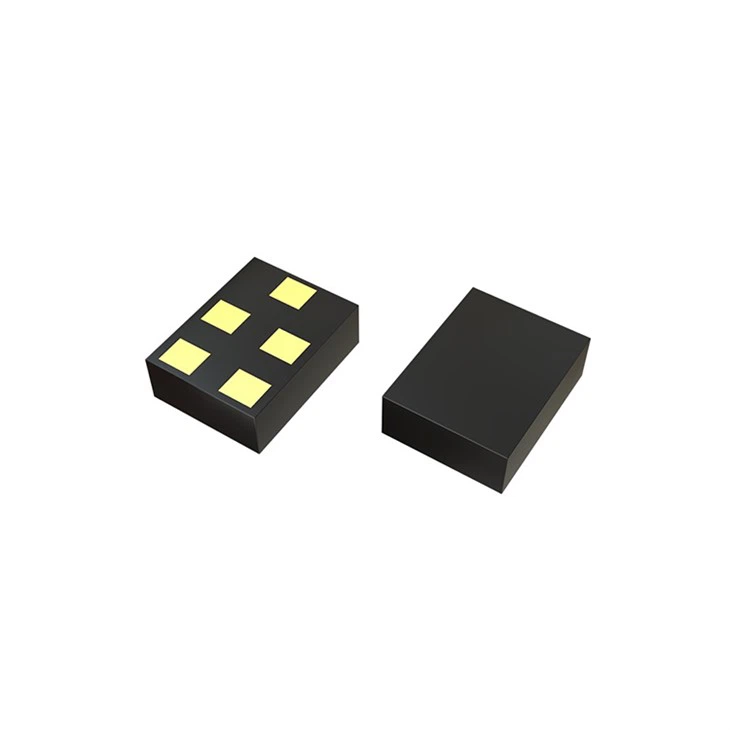
For example, if you are working on a compact circuit board, you may want to consider a SMD Low Pass SAW Filter 1.1x0.9x0.5. These filters are designed to be mounted directly on the surface of the circuit board and take up less space than other package types. On the other hand, if you need a filter that can be easily removed and replaced, you may want to consider a DIP or through-hole package.

Temperature Stability
Temperature stability is an important factor to consider when choosing a saw filter. Saw filters are sensitive to temperature changes, and their performance can be affected by changes in temperature. A filter with good temperature stability will maintain its performance over a wide range of temperatures, while a filter with poor temperature stability may experience significant changes in performance as the temperature changes.
The temperature stability of a saw filter is typically specified in terms of its temperature coefficient of frequency (TCF). A lower TCF means that the filter is more stable over a wide range of temperatures. When choosing a saw filter, it is important to consider the temperature stability requirements of your application and select a filter that can provide the desired temperature stability.
Cost
Cost is always an important factor to consider when choosing any component for your system. Saw filters are available in a wide range of prices, depending on their performance, features, and package type. When choosing a saw filter, it is important to consider your budget and select a filter that provides the best value for your money.
However, it is important to note that the cheapest filter may not always be the best option. A filter with poor performance or reliability may end up costing you more in the long run due to increased maintenance and replacement costs. Therefore, it is important to balance cost with performance and reliability when choosing a saw filter.
Conclusion
Choosing the right saw filter for your application can be a challenging task. However, by considering the factors discussed in this blog post, you can make an informed decision and select a filter that meets your requirements. As a saw filter supplier, I am committed to providing high-quality filters that meet the needs of our customers. If you have any questions or need help choosing a saw filter, please do not hesitate to contact us. We would be happy to assist you in your procurement process and help you find the best filter for your application.
References
- "Surface Acoustic Wave Filters: Design, Fabrication, and Applications" by Richard C. Jaeger and Robert J. Schoelkopf
- "RF and Microwave Filter Design" by Matthaei, Young, and Jones
- "Fundamentals of Microwave and RF Design" by David M. Pozar