

Frequency tolerance is a critical parameter when it comes to ceramic resonators, which are widely used in various electronic devices for frequency control. As a supplier of ceramic resonators, understanding the frequency tolerance levels is essential for both us and our customers. This blog post will delve into the concept of frequency tolerance in ceramic resonators, its significance, and the different tolerance levels available in the market.
What is Frequency Tolerance?
Frequency tolerance refers to the allowable deviation of the actual operating frequency of a ceramic resonator from its nominal frequency. It is usually expressed as a percentage or in parts per million (ppm). For example, a ceramic resonator with a nominal frequency of 10 MHz and a frequency tolerance of ±0.5% can have an actual operating frequency ranging from 9.95 MHz to 10.05 MHz.
The frequency tolerance is determined during the manufacturing process and is influenced by several factors, including the material properties of the ceramic, the manufacturing techniques, and the environmental conditions during operation. A lower frequency tolerance indicates a higher precision and stability of the resonator, which is often required in applications where accurate frequency control is crucial.
Significance of Frequency Tolerance
The frequency tolerance of a ceramic resonator plays a vital role in the performance of electronic devices. In applications such as oscillators, clocks, and communication systems, the accuracy of the operating frequency directly affects the functionality and reliability of the device. A resonator with a large frequency tolerance may cause the device to operate outside the desired frequency range, leading to issues such as signal interference, data errors, and reduced performance.
On the other hand, a resonator with a tight frequency tolerance can ensure that the device operates within the specified frequency range, providing stable and reliable performance. This is particularly important in high - precision applications, such as aerospace, medical, and telecommunications, where even a small deviation in frequency can have significant consequences.
Common Frequency Tolerance Levels
There are several common frequency tolerance levels available for ceramic resonators, each suitable for different applications.
±0.5% to ±2%
This is a relatively wide frequency tolerance range and is commonly used in applications where moderate frequency accuracy is sufficient. Devices such as consumer electronics, toys, and some simple industrial control systems can tolerate a certain degree of frequency variation. For example, in a basic radio receiver, a ceramic resonator with a frequency tolerance of ±1% can still provide satisfactory performance.
±0.1% to ±0.5%
This range offers a higher level of frequency accuracy and is suitable for applications that require more precise frequency control. Applications such as automotive electronics, some types of sensors, and medium - precision communication systems often use ceramic resonators with this tolerance level. For instance, in an automotive engine control unit, a resonator with a frequency tolerance of ±0.2% can help ensure accurate timing and control of the engine's operations.
±20 ppm to ±100 ppm
Resonators with these very tight frequency tolerances are used in high - precision applications. The ppm (parts per million) unit is a more precise way to express frequency tolerance, especially for high - frequency resonators. Applications such as high - speed data communication, GPS systems, and scientific instruments demand ceramic resonators with extremely accurate frequencies. For example, in a GPS receiver, a ceramic resonator with a frequency tolerance of ±20 ppm can help maintain accurate positioning and timing.
Our Product Offerings and Frequency Tolerance
As a ceramic resonator supplier, we offer a wide range of products with different frequency tolerance levels to meet the diverse needs of our customers.
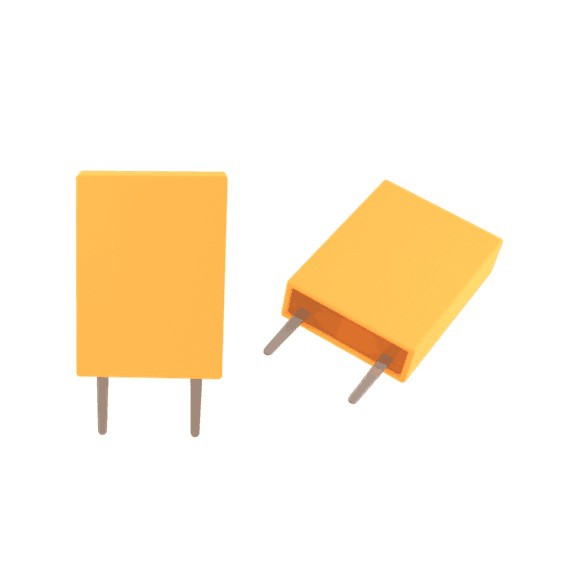
Our SMD Ceramic Resonator HCTB1 is designed for applications that require a moderate level of frequency accuracy. It has a frequency tolerance of ±1%, making it suitable for consumer electronics and some industrial control applications.
The Small Size SMD Ceramic Resonator HCTA is another popular product in our portfolio. It offers a frequency tolerance of ±0.2%, which is ideal for automotive electronics and medium - precision sensors.
For high - precision applications, we provide the Ceramic Resonator with High Stability. This resonator has a frequency tolerance of ±20 ppm, ensuring extremely accurate frequency control in applications such as high - speed data communication and GPS systems.
Factors Affecting Frequency Tolerance
Several factors can affect the frequency tolerance of ceramic resonators during their operation.
Temperature
Temperature is one of the most significant factors. Ceramic resonators are sensitive to temperature changes, and the frequency can vary with temperature. To compensate for this, some resonators are designed with temperature - compensation features. For example, in a temperature - compensated ceramic resonator (TCXO), additional components are used to counteract the frequency drift caused by temperature variations.
Aging
Over time, the frequency of a ceramic resonator may change due to aging effects. This is mainly caused by the gradual degradation of the ceramic material and the internal structure of the resonator. Manufacturers usually specify the aging rate of the resonator, which indicates the maximum frequency change over a certain period, such as one year.
Mechanical Stress
Mechanical stress can also affect the frequency of a ceramic resonator. Mounting the resonator on a printed circuit board (PCB) can introduce mechanical stress, especially if the mounting is not proper. Vibration and shock during operation can also cause stress on the resonator, leading to frequency variations.
Selecting the Right Frequency Tolerance
When selecting a ceramic resonator, customers need to consider the specific requirements of their applications. Here are some guidelines to help in the selection process:
Application Requirements
Understand the frequency accuracy requirements of the application. If the application is a simple consumer device, a resonator with a wider frequency tolerance may be sufficient. However, for high - precision applications such as aerospace or medical equipment, a resonator with a very tight frequency tolerance is necessary.
Cost
Resonators with tighter frequency tolerances usually cost more due to the more precise manufacturing processes and quality control required. Customers need to balance the cost and the performance requirements of their applications.

Environmental Conditions
Consider the environmental conditions in which the resonator will operate. If the device will be exposed to wide temperature variations or mechanical stress, a resonator with temperature - compensation or shock - resistance features may be needed.
Contact Us for Procurement
If you are in the market for ceramic resonators and need further information about frequency tolerance levels or our product offerings, we are here to help. Our team of experts can provide you with detailed technical support and guidance to ensure that you select the right resonator for your application. Whether you need a resonator with a wide or tight frequency tolerance, we have the solutions to meet your needs. Reach out to us to start a procurement discussion and take your electronic projects to the next level.
References
- "Frequency Control Components Handbook" - A comprehensive guide on frequency control devices, including ceramic resonators.
- Technical documents from leading ceramic resonator manufacturers, which provide detailed information on frequency tolerance and other performance parameters.