

Hey there! As a supplier of ceramic resonators, I often get asked about the coupling coefficient of these nifty little devices. So, let's dive right in and break it down in a way that's easy to understand.
First off, what the heck is a ceramic resonator? Well, it's a type of passive electronic component that's used to generate a specific frequency in a circuit. They're super popular because they're cheap, reliable, and have a relatively small size. You'll find them in all sorts of electronics, from your smartphone to your car's dashboard.
Now, onto the coupling coefficient. In simple terms, the coupling coefficient is a measure of how well two parts of a resonator are connected or "coupled" together. Think of it like a relationship between two friends. If they're really close and communicate well, they're highly coupled. If they hardly talk and don't really know each other, their coupling is low.
In a ceramic resonator, the coupling coefficient determines how efficiently energy is transferred between the different parts of the resonator. A high coupling coefficient means that energy can move easily from one part to another, which is generally a good thing. It leads to better performance, like a more stable frequency output and less energy loss.
Let's take a closer look at how the coupling coefficient affects the performance of ceramic resonators. When the coupling is high, the resonator can maintain a more consistent frequency over time. This is crucial in applications where precision is key, like in communication systems. For example, in a wireless router, a ceramic resonator with a high coupling coefficient ensures that the signal is transmitted at the right frequency, so you can stream your favorite shows without any glitches.
On the other hand, a low coupling coefficient can cause problems. It might lead to frequency instability, which means the resonator's output frequency can vary. This can be a real headache in sensitive electronic devices, as it can cause errors in data transmission or malfunctioning of the device.
As a supplier, we pay a lot of attention to the coupling coefficient when manufacturing our ceramic resonators. We use advanced materials and manufacturing techniques to optimize the coupling and ensure that our products meet the highest standards of performance.
Now, let me introduce you to some of our top - selling ceramic resonators. We have the Ceramic Resonator with High Stability. This resonator is designed with a high coupling coefficient in mind, which gives it excellent frequency stability. It's perfect for applications where a reliable and consistent frequency is required, such as in industrial control systems.
Another great product is the SMD Ceramic Resonator HCTB1. This surface - mount device is compact and easy to integrate into your circuit. It also has a well - optimized coupling coefficient, which results in low energy loss and high efficiency.
If you're looking for a small - sized option, our Small Size SMD Ceramic Resonator HCTA is a great choice. Despite its small size, it still offers a good coupling coefficient, providing stable frequency performance in a tiny package.
So, how do we measure the coupling coefficient of our ceramic resonators? Well, there are a few different methods. One common way is to use a network analyzer. This device sends a signal through the resonator and measures how the signal is affected. By analyzing the input and output signals, we can calculate the coupling coefficient.
We also perform a lot of testing during the manufacturing process. We test each resonator to make sure it meets our quality standards for the coupling coefficient. This way, we can guarantee that our customers are getting a high - quality product.
If you're in the market for ceramic resonators, you need to consider the coupling coefficient. It can have a big impact on the performance of your electronic devices. Whether you're a hobbyist working on a DIY project or a large - scale manufacturer, choosing the right ceramic resonator with the appropriate coupling coefficient is essential.
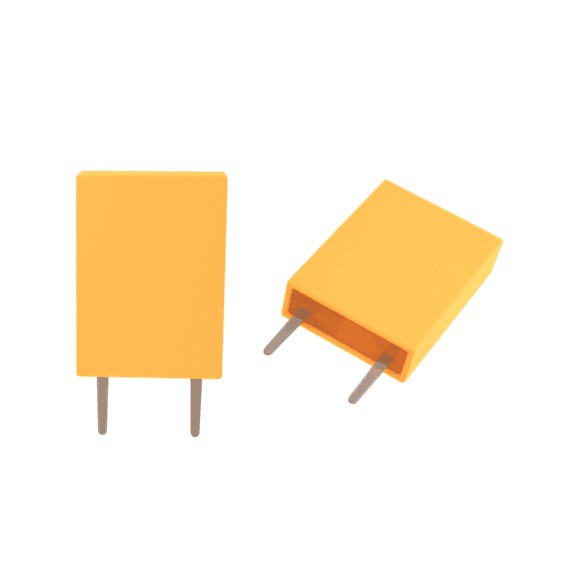

At our company, we're committed to providing the best ceramic resonators on the market. Our team of experts is always working to improve the coupling coefficient and other performance parameters of our products. We understand that in the world of electronics, even the smallest improvement can make a big difference.
If you're interested in learning more about our ceramic resonators or have any questions about the coupling coefficient, don't hesitate to reach out. We're here to help you find the perfect solution for your needs. Whether you need a high - coupling resonator for a precision application or a small - sized resonator for a compact device, we've got you covered.
In conclusion, the coupling coefficient of ceramic resonators is a critical factor that affects their performance. A high coupling coefficient leads to better frequency stability, lower energy loss, and overall better performance. As a supplier, we take great pride in manufacturing ceramic resonators with optimized coupling coefficients. If you're looking for reliable and high - performance ceramic resonators, we'd love to have a chat with you. Contact us today to start a conversation about your requirements and how we can help you with your next project.
References
- "Fundamentals of Electronic Devices" - A textbook on electronic components and their properties.
- "Ceramic Resonator Design and Applications" - A technical guide on the design and use of ceramic resonators.