

The history of SAW (Surface Acoustic Wave) filters is a fascinating journey that spans several decades, marked by significant technological advancements and innovations. As a SAW filter supplier, I have witnessed firsthand the evolution of these devices and their growing importance in various industries. In this blog, I will delve into the history of SAW filters, exploring their origins, development, and the key milestones that have shaped their current state.
Origins of SAW Filters
The concept of surface acoustic waves dates back to the 19th century when Lord Rayleigh discovered the existence of elastic waves that propagate along the surface of a solid material. However, it wasn't until the 1960s that the practical application of SAW technology began to take shape. In 1965, Walter P. Mason and Robert M. White demonstrated the first SAW device, which consisted of an interdigital transducer (IDT) deposited on a piezoelectric substrate. The IDT converts electrical signals into acoustic waves, which then propagate along the surface of the substrate and are converted back into electrical signals at the output.
Early Development and Applications
In the early days, SAW filters were primarily used in military applications, such as radar and communication systems. Their ability to provide high selectivity, low insertion loss, and compact size made them ideal for these applications. As the technology matured, SAW filters began to find their way into consumer electronics, including televisions, radios, and cellular phones.
One of the key milestones in the development of SAW filters was the introduction of single-phase unidirectional transducers (SPUDTs) in the 1970s. SPUDTs significantly improved the performance of SAW filters by reducing insertion loss and increasing bandwidth. This breakthrough paved the way for the widespread use of SAW filters in a variety of applications.
Advancements in SAW Filter Technology
Over the years, SAW filter technology has continued to evolve, driven by the demand for higher performance, smaller size, and lower cost. One of the major advancements in recent years has been the development of thin-film SAW (TFSAW) filters. TFSAW filters use a thin layer of piezoelectric material deposited on a silicon substrate, which allows for higher frequencies and better performance compared to traditional SAW filters.
Another significant advancement is the use of advanced manufacturing techniques, such as photolithography and micromachining, to produce SAW filters with higher precision and smaller features. These techniques have enabled the production of SAW filters with extremely high frequencies and narrow bandwidths, making them suitable for applications such as 5G wireless communication.
Current Applications of SAW Filters
Today, SAW filters are used in a wide range of applications, including wireless communication, automotive electronics, consumer electronics, and industrial automation. In wireless communication, SAW filters are used to filter out unwanted signals and improve the performance of mobile devices. They are also used in Wi-Fi routers, Bluetooth devices, and other wireless communication systems.
In the automotive industry, SAW filters are used in tire pressure monitoring systems (TPMS), keyless entry systems, and other applications. Their small size, low power consumption, and high reliability make them ideal for these applications.
In consumer electronics, SAW filters are used in televisions, radios, and other devices to improve the quality of the audio and video signals. They are also used in smartphones and tablets to filter out unwanted signals and improve the performance of the wireless communication system.
Our SAW Filter Products
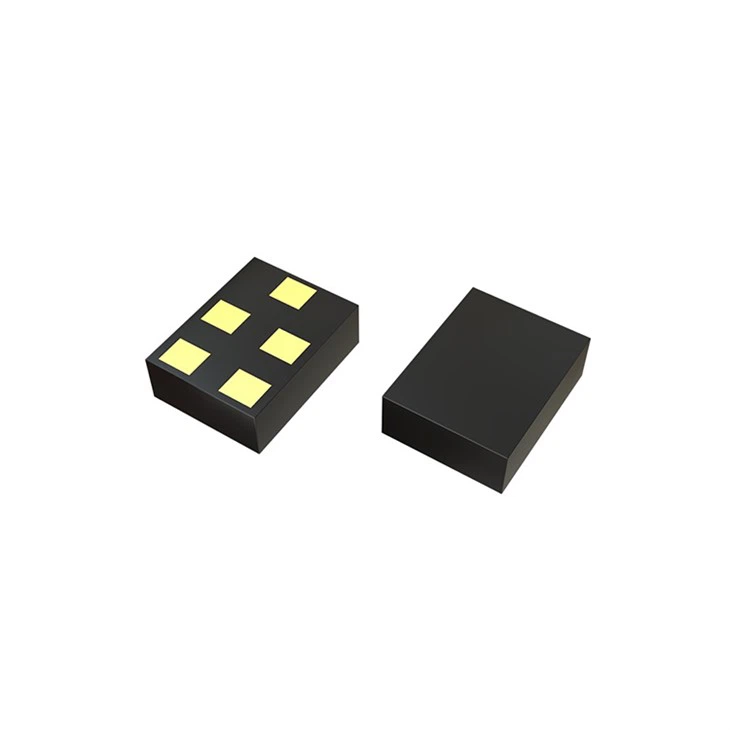
As a SAW filter supplier, we offer a wide range of high-quality SAW filter products to meet the needs of our customers. Our product portfolio includes Miniature Surface-Mount SAW Filter 1.4x1.1 GPS SAW Filter 4 PIN 2015, High Frequency Saw Filter 5050, and SMD Low Pass SAW Filter 1.1x0.9x0.5.
Our SAW filters are designed and manufactured using the latest technology and highest quality materials to ensure superior performance and reliability. We also offer customized solutions to meet the specific requirements of our customers.
Conclusion
The history of SAW filters is a testament to the power of innovation and technological advancement. From their humble beginnings in the 1960s to their current widespread use in a variety of industries, SAW filters have come a long way. As a SAW filter supplier, we are committed to staying at the forefront of this technology and providing our customers with the highest quality products and services.
If you are interested in learning more about our SAW filter products or would like to discuss your specific requirements, please feel free to contact us. We look forward to the opportunity to work with you and help you find the perfect SAW filter solution for your application.

References
- Ballantine, D. S., White, R. M., & Martin, S. J. (1982). Acoustic wave devices for chemical analysis. Analytical Chemistry, 54(7), 1079-1090.
- Campbell, C. K. (1998). Surface acoustic wave devices for wireless applications. Academic Press.
- Morgan, D. P. (2006). Surface acoustic wave filters. Artech House.