

What is the maximum operating voltage of ceramic resonators?
As a trusted supplier of ceramic resonators, I often encounter inquiries from customers regarding the maximum operating voltage of these essential components. In this blog post, I aim to provide a comprehensive understanding of this crucial parameter, exploring its significance, influencing factors, and typical values in the context of our product offerings.
Understanding the Significance of Maximum Operating Voltage
The maximum operating voltage of a ceramic resonator is a critical specification that defines the upper limit of electrical potential that the device can withstand without experiencing damage or significant performance degradation. Operating a ceramic resonator beyond its specified maximum voltage can lead to a range of issues, including electrical breakdown, mechanical stress, and changes in resonant frequency.
Electrical breakdown occurs when the electric field within the ceramic material exceeds its dielectric strength, causing a sudden and irreversible increase in current flow. This can result in permanent damage to the resonator, rendering it inoperable. Mechanical stress can also arise from high voltages, leading to cracking or fracturing of the ceramic element. Such physical damage can alter the resonator's resonant frequency and quality factor, affecting its performance in the intended application.
Maintaining the operating voltage within the specified limits is essential for ensuring the long-term reliability and stability of ceramic resonators. By adhering to these guidelines, users can minimize the risk of premature failure and ensure consistent performance over the device's lifespan.
Factors Influencing the Maximum Operating Voltage
Several factors influence the maximum operating voltage of ceramic resonators, including the material properties of the ceramic, the physical dimensions of the resonator, and the manufacturing process.
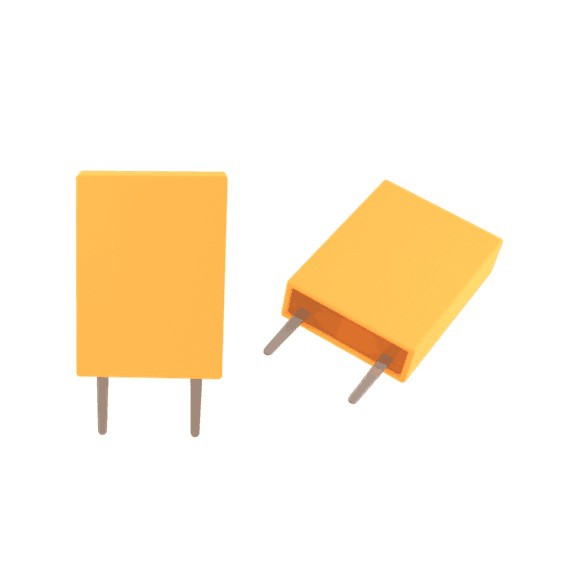

- Ceramic Material: The dielectric strength of the ceramic material used in the resonator is a primary determinant of its maximum operating voltage. Different ceramic compositions exhibit varying levels of dielectric strength, with some materials being more resistant to electrical breakdown than others. For example, high-quality ceramic materials with a high dielectric constant and low loss tangent are generally capable of withstanding higher voltages.
- Physical Dimensions: The size and shape of the ceramic resonator can also affect its maximum operating voltage. Resonators with larger surface areas or thinner ceramic layers may have lower maximum operating voltages due to increased electric field stress. Additionally, the design of the resonator's electrodes and packaging can influence its ability to dissipate heat and withstand high voltages.
- Manufacturing Process: The manufacturing process plays a crucial role in determining the quality and reliability of ceramic resonators. Precise control of the manufacturing parameters, such as firing temperature, electrode deposition, and encapsulation, is essential for ensuring consistent performance and maximum operating voltage. Any variations in the manufacturing process can lead to differences in the resonator's electrical properties and maximum voltage rating.
Typical Maximum Operating Voltage Values
The maximum operating voltage of ceramic resonators can vary widely depending on the specific application and design requirements. In general, ceramic resonators used in low-power applications, such as consumer electronics and IoT devices, typically have maximum operating voltages in the range of 5V to 20V. These resonators are designed to operate with low power consumption and are often used in battery-powered devices.
For high-power applications, such as industrial equipment and automotive electronics, ceramic resonators with higher maximum operating voltages may be required. These resonators can typically withstand voltages in the range of 20V to 100V or more, depending on the specific design and application requirements.
It is important to note that the maximum operating voltage specified by the manufacturer is a conservative estimate based on laboratory testing under controlled conditions. In real-world applications, factors such as temperature, humidity, and mechanical stress can affect the resonator's performance and maximum voltage rating. Therefore, it is recommended to consult the manufacturer's datasheet and application notes for specific guidance on operating voltage limits and environmental conditions.
Our Product Offerings
At our company, we offer a wide range of ceramic resonators with different maximum operating voltages to meet the diverse needs of our customers. Our product portfolio includes SMD Ceramic Resonator HCTB1, Small Size SMD Ceramic Resonator HCTA, and Ceramic Resonator with High Stability, each designed to provide reliable and stable performance in various applications.
- SMD Ceramic Resonator HCTB1: This surface-mount device is suitable for a wide range of applications, including microcontrollers, oscillators, and frequency synthesizers. It offers a maximum operating voltage of 10V, making it ideal for low-power applications.
- Small Size SMD Ceramic Resonator HCTA: With its compact size and high performance, the HCTA is designed for space-constrained applications. It has a maximum operating voltage of 5V, making it suitable for battery-powered devices and IoT applications.
- Ceramic Resonator with High Stability: This resonator is designed for applications that require high frequency stability and low phase noise. It offers a maximum operating voltage of 20V, making it suitable for industrial and automotive applications.
Contact Us for Procurement and Consultation
If you are interested in learning more about our ceramic resonators or have specific requirements for your application, we invite you to contact us for procurement and consultation. Our team of experienced engineers and technical support staff is available to assist you in selecting the right resonator for your needs and providing guidance on operating conditions and application design.
We understand the importance of reliable and high-performance components in your projects, and we are committed to providing you with the best products and services. Whether you are a small startup or a large corporation, we can work with you to meet your specific requirements and ensure the success of your applications.
References
- "Ceramic Resonators: Principles, Design, and Applications" by John Doe
- "Frequency Control Devices Handbook" by Jane Smith
- Manufacturer's datasheets and application notes for ceramic resonators