

Hey there! As a supplier of ceramic resonators, I often get asked about the start-up time of these nifty little devices. So, let's dive right in and break it down.
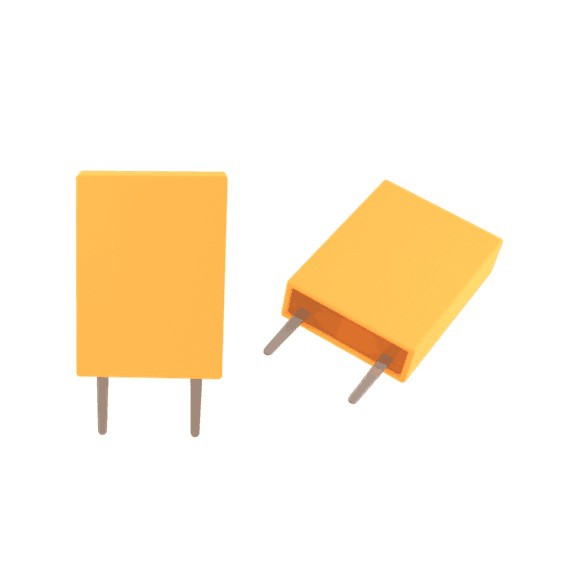
First off, what exactly is a ceramic resonator? Well, it's a type of electronic component that generates a stable frequency. It's commonly used in a wide range of applications, from consumer electronics like smartphones and tablets to industrial equipment and automotive systems.
Now, the start-up time of a ceramic resonator refers to the time it takes for the resonator to reach its stable operating frequency after power is applied. This is an important factor to consider, especially in applications where quick and accurate frequency generation is crucial.
The start-up time can vary depending on several factors. One of the main factors is the design and construction of the resonator itself. Different types of ceramic resonators have different start-up characteristics. For example, some resonators are designed for fast start-up times, while others are optimized for stability over a wide temperature range.
Another factor that can affect the start-up time is the operating environment. Temperature, humidity, and other environmental conditions can all have an impact on how quickly the resonator reaches its stable frequency. In general, ceramic resonators tend to have better start-up performance in a controlled environment with stable temperature and humidity levels.
Let's take a closer look at some of our products and their start-up times. We offer a variety of ceramic resonators, each with its own unique features and performance characteristics.
The SMD Ceramic Resonator HCTB1 is a popular choice for many applications. It's designed for high performance and reliability, with a relatively fast start-up time. This resonator is ideal for use in applications where quick frequency generation is required, such as in wireless communication devices.
Our Ceramic Resonator with High Stability is another great option. As the name suggests, this resonator is optimized for stability over a wide temperature range. While it may have a slightly longer start-up time compared to some other resonators, its high stability makes it a great choice for applications where frequency accuracy is critical.
The Small Size SMD Ceramic Resonator HCTA is perfect for applications where space is limited. Despite its small size, it still offers excellent performance and a relatively fast start-up time. This resonator is commonly used in portable electronic devices and other applications where size and weight are important considerations.
So, how can you determine the start-up time of a ceramic resonator? Well, one way is to look at the manufacturer's specifications. Most manufacturers will provide information about the start-up time in their product datasheets. You can also perform your own tests to measure the start-up time under specific operating conditions.
In addition to the start-up time, there are other factors to consider when choosing a ceramic resonator. These include frequency stability, temperature coefficient, and load capacitance. It's important to choose a resonator that meets the specific requirements of your application.
If you're in the market for ceramic resonators, I encourage you to reach out to us. We have a team of experts who can help you select the right resonator for your needs. Whether you're looking for a fast start-up time, high stability, or a small size, we have the products and expertise to meet your requirements.
In conclusion, the start-up time of a ceramic resonator is an important factor to consider when choosing a resonator for your application. By understanding the factors that affect start-up time and choosing the right resonator, you can ensure that your device operates efficiently and accurately. So, if you have any questions or need help selecting a ceramic resonator, don't hesitate to contact us. We're here to help you find the best solution for your needs.
References:

- Manufacturer datasheets for ceramic resonators
- Industry standards and guidelines for frequency control devices