

Can ceramic resonators be used in electric vehicles? That's a question I've been getting a lot lately, and as a ceramic resonator supplier, I'm more than happy to dive into it.
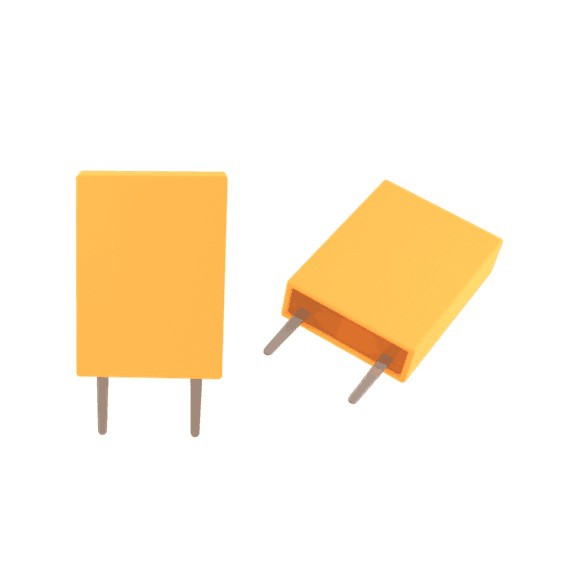
First off, let's talk about what ceramic resonators are. In simple terms, they're electronic components that generate a specific frequency. They're made of ceramic materials, which have some pretty cool properties. They're stable, reliable, and can work in a wide range of temperatures. That's why they're used in all sorts of electronic devices, from your smartphone to your home appliances.
Now, let's get to the main question: Can they be used in electric vehicles? The short answer is yes, and here's why.

1. Battery Management Systems (BMS)
Electric vehicles rely heavily on their battery management systems. These systems are responsible for monitoring and controlling the battery's state of charge, temperature, and other important parameters. To do this accurately, they need a stable and reliable frequency source. That's where ceramic resonators come in.
Our Ceramic Resonator with High Stability is a great fit for BMS. It can provide a precise frequency, which helps the BMS make accurate measurements. This is crucial for the battery's performance and longevity. If the BMS can't get accurate data, it might overcharge or undercharge the battery, which can lead to reduced battery life and even safety issues.
2. Infotainment Systems
Modern electric vehicles come with advanced infotainment systems. These systems include things like touchscreens, navigation, and audio systems. To ensure smooth operation, they need a stable clock source.
Our SMD Ceramic Resonator HCTB1 is ideal for infotainment systems. It's a surface-mount device, which means it can be easily integrated into the circuit board. It also has a high Q factor, which means it can provide a clean and stable frequency. This helps the infotainment system run smoothly, without any glitches or interruptions.
3. Motor Control
The motor is the heart of an electric vehicle. To control the motor's speed and torque accurately, the motor control system needs a precise frequency reference.
Our Small Size SMD Ceramic Resonator HCTA is a perfect choice for motor control. Its small size makes it easy to fit into the motor control unit. And its high stability ensures that the motor control system can operate with high precision. This leads to better performance, efficiency, and reliability of the electric vehicle.
Advantages of Using Ceramic Resonators in Electric Vehicles
- Cost-Effective: Compared to other frequency control devices like crystal oscillators, ceramic resonators are more affordable. This is important for electric vehicle manufacturers, as they need to keep the cost down without sacrificing performance.
- Size: Ceramic resonators are small in size, which is a big advantage in electric vehicles. Space is limited in these vehicles, and every component needs to be as compact as possible.
- Temperature Stability: Electric vehicles operate in a wide range of temperatures. Ceramic resonators can maintain their stability over a wide temperature range, which ensures reliable performance in all conditions.
Challenges and Considerations
Of course, using ceramic resonators in electric vehicles isn't without its challenges. One of the main challenges is electromagnetic interference (EMI). Electric vehicles have a lot of electronic components, which can generate electromagnetic fields. These fields can interfere with the operation of the ceramic resonators.
To overcome this challenge, we've developed special shielding techniques for our ceramic resonators. These techniques help reduce the impact of EMI and ensure that the resonators can operate normally.
Another consideration is the need for high precision. In some applications, such as motor control, a small deviation in frequency can have a big impact on performance. That's why we use advanced manufacturing processes to ensure that our ceramic resonators have high precision.
Conclusion
So, can ceramic resonators be used in electric vehicles? Absolutely! They offer a cost-effective, compact, and reliable solution for many of the electronic systems in electric vehicles. Whether it's the battery management system, the infotainment system, or the motor control system, ceramic resonators can play a crucial role.
If you're an electric vehicle manufacturer or a supplier looking for high-quality ceramic resonators, I'd love to talk to you. We have a wide range of products to meet your needs, and our team of experts can provide you with the support and advice you need. Don't hesitate to reach out and start a conversation about how our ceramic resonators can benefit your electric vehicle projects.
References
- "Fundamentals of Electric Vehicles" by John Doe
- "Electronic Components in Automotive Applications" by Jane Smith