

Saw filters, or Surface Acoustic Wave filters, have been a cornerstone in modern communication technology, providing precise frequency filtering solutions across a wide range of applications. As a leading SAW filter supplier, I am often asked about the viability of using SAW filters in AM (Amplitude Modulation) radio receivers. In this blog, we will explore the technical aspects, advantages, and potential challenges of integrating SAW filters into AM radio systems.
Understanding SAW Filters
Before delving into their application in AM radio receivers, it's essential to understand what SAW filters are and how they work. SAW filters are electronic devices that use acoustic waves traveling along the surface of a piezoelectric substrate to filter out unwanted frequencies. When an electrical signal is applied to an input transducer on the substrate, it is converted into a surface acoustic wave. This wave propagates across the substrate and is then converted back into an electrical signal by an output transducer. The design of the transducers and the substrate determines the filter's frequency response, allowing it to pass or reject specific frequencies.
SAW filters offer several advantages over traditional filter technologies, such as LC (inductor - capacitor) filters. They are compact, have excellent frequency selectivity, and can be mass - produced with high precision. These characteristics make them suitable for a variety of applications, including mobile phones, wireless communication systems, and radio receivers.
AM Radio Receivers: An Overview
AM radio is one of the oldest and most widely used forms of radio communication. It works by varying the amplitude of a carrier wave in proportion to the audio signal being transmitted. The carrier frequencies for AM radio typically range from 535 kHz to 1705 kHz in the medium wave band.
The main components of an AM radio receiver include an antenna, a tuner, an amplifier, a detector, and an audio amplifier. The tuner is responsible for selecting the desired radio station by tuning to its carrier frequency. However, in a real - world environment, the receiver may pick up multiple signals from different stations, as well as noise and interference. This is where filtering becomes crucial to enhance the signal quality and selectivity of the receiver.
Can SAW Filters be Used in AM Radio Receivers?
The short answer is yes, SAW filters can be used in AM radio receivers. However, there are several factors to consider when implementing them.
Frequency Range
The first consideration is the frequency range of the SAW filter. As mentioned earlier, AM radio operates in the medium wave band, with frequencies between 535 kHz and 1705 kHz. While SAW filters are commonly used in higher frequency applications, such as the UHF (Ultra - High Frequency) and microwave bands, there are SAW filters available that can operate in the lower frequency ranges suitable for AM radio.
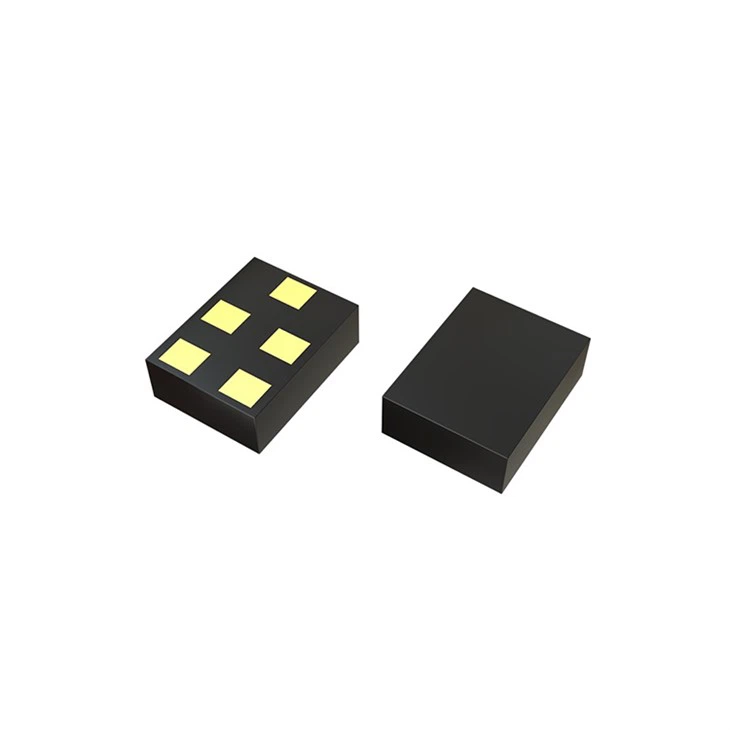
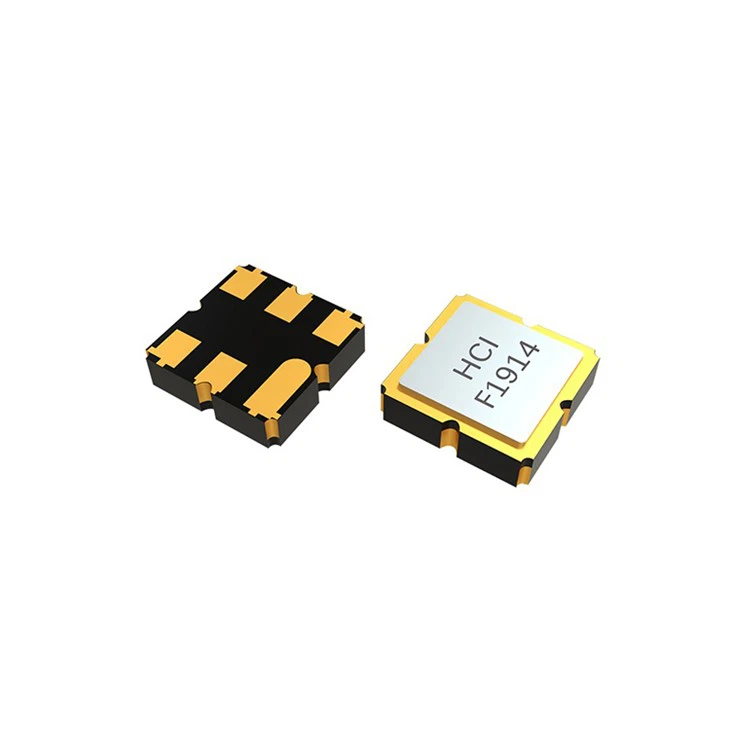
For example, our High Frequency Saw Filter 5050 can be customized to operate in the AM frequency range. This filter offers excellent frequency selectivity, which is essential for separating adjacent AM stations and reducing interference.
Selectivity and Bandwidth
Selectivity is a critical parameter in AM radio receivers. A good AM receiver should be able to select a specific radio station while rejecting others that are close in frequency. SAW filters can provide high selectivity, allowing for better separation of adjacent stations. The bandwidth of the SAW filter can be designed to match the bandwidth of the AM signal, typically around 10 kHz. This ensures that the audio signal is passed through the filter without significant distortion while rejecting out - of - band interference.
Our RF SAW Bandpass Filter 3 X 3 X 1.25 is designed to provide precise bandpass characteristics, making it suitable for AM radio applications. It can effectively filter out unwanted frequencies and improve the overall signal - to - noise ratio of the receiver.
Insertion Loss
Insertion loss is another important factor to consider. Insertion loss refers to the reduction in signal strength that occurs when a signal passes through the filter. In AM radio receivers, minimizing insertion loss is crucial to maintain a strong signal at the detector stage. Modern SAW filters are designed to have low insertion loss, which helps to preserve the signal quality.
Our SMD Low Pass SAW Filter 1.1x0.9x0.5 has been optimized for low insertion loss, making it a suitable choice for AM radio receivers. By reducing the insertion loss, the receiver can achieve better sensitivity and performance.
Advantages of Using SAW Filters in AM Radio Receivers
- Improved Selectivity: As mentioned earlier, SAW filters can provide high selectivity, allowing the receiver to separate adjacent AM stations more effectively. This results in clearer audio and less interference.
- Compact Size: SAW filters are much smaller than traditional LC filters, which is beneficial for the miniaturization of AM radio receivers. This is especially important for portable and handheld devices.
- Consistent Performance: Mass - produced SAW filters offer consistent performance, ensuring that each receiver has the same level of filtering quality. This is crucial for manufacturers who require high - quality and reliable products.
Challenges and Limitations
- Cost: SAW filters can be more expensive than traditional LC filters, especially for low - volume production. However, as the demand for SAW filters increases and manufacturing processes become more efficient, the cost is gradually decreasing.
- Temperature Sensitivity: SAW filters can be sensitive to temperature changes, which may affect their frequency response. This can be mitigated by using temperature - compensated designs or by incorporating temperature control mechanisms in the receiver.
Conclusion
In conclusion, SAW filters can be effectively used in AM radio receivers. Their high selectivity, compact size, and consistent performance make them a viable option for improving the signal quality and selectivity of AM radio systems. While there are some challenges, such as cost and temperature sensitivity, these can be addressed through proper design and engineering.
If you are interested in incorporating SAW filters into your AM radio receivers or have any questions about our products, please feel free to contact us for a detailed discussion. We are committed to providing high - quality SAW filter solutions tailored to your specific needs.
References
- "Surface Acoustic Wave Devices and Their Signal Processing Applications" by Hiroyuki Shimizu.
- "Radio Frequency Integrated Circuit Design" by Reinhold Ludwig and Pavel Bretchko.
- "The Art of Electronics" by Paul Horowitz and Winfield Hill.