

In the world of electronic components, ceramic resonators and ceramic oscillators play crucial roles in providing stable frequency references. As a ceramic resonator supplier, I often encounter questions from customers about the differences between these two components. In this blog post, I will delve into the characteristics, working principles, and applications of ceramic resonators and ceramic oscillators to help you understand their distinctions.
1. Basic Definitions
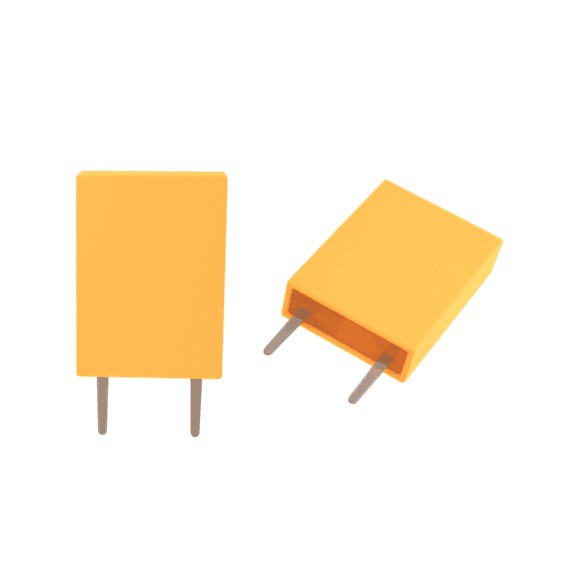
A ceramic resonator is a passive electronic component that uses the piezoelectric effect of ceramic materials to generate a specific resonant frequency. It is mainly composed of a ceramic substrate, electrodes, and a housing. When an alternating voltage is applied to the electrodes, the ceramic material vibrates at its resonant frequency, producing a stable output signal.
On the other hand, a ceramic oscillator is an active device that combines a ceramic resonator with an integrated circuit (IC). The IC provides the necessary amplification and feedback to sustain the oscillation of the ceramic resonator, generating a stable and accurate output frequency.
2. Working Principles
Ceramic Resonator
The working principle of a ceramic resonator is based on the piezoelectric effect. Piezoelectric materials, such as lead zirconate titanate (PZT), can convert electrical energy into mechanical energy and vice versa. When an alternating voltage is applied to the electrodes of a ceramic resonator, the ceramic material expands and contracts, causing mechanical vibrations. These vibrations generate an electrical signal at the resonant frequency of the ceramic resonator.
The resonant frequency of a ceramic resonator is determined by its physical dimensions, material properties, and the design of the electrodes. Ceramic resonators are available in a wide range of frequencies, typically from a few kilohertz to several hundred megahertz.
Ceramic Oscillator
A ceramic oscillator consists of a ceramic resonator and an IC. The IC provides the necessary amplification and feedback to sustain the oscillation of the ceramic resonator. The oscillator circuit typically includes an amplifier, a feedback network, and a frequency control circuit.
The amplifier amplifies the weak signal generated by the ceramic resonator, while the feedback network ensures that the amplified signal is fed back to the input of the amplifier with the correct phase and amplitude. The frequency control circuit allows the oscillator to be tuned to the desired frequency.
3. Performance Characteristics
Frequency Stability
One of the key differences between ceramic resonators and ceramic oscillators is their frequency stability. Ceramic resonators generally have a lower frequency stability compared to ceramic oscillators. The frequency stability of a ceramic resonator is typically in the range of ±50 to ±200 parts per million (ppm), depending on the quality and design of the resonator.

In contrast, ceramic oscillators offer higher frequency stability, typically in the range of ±10 to ±50 ppm. The integrated circuit in a ceramic oscillator provides better temperature compensation and frequency control, resulting in a more stable output frequency over a wide temperature range.
Output Waveform
Ceramic resonators typically produce a sinusoidal output waveform. The shape of the waveform is determined by the resonant characteristics of the ceramic material and the design of the electrodes.
Ceramic oscillators, on the other hand, can produce a variety of output waveforms, including square waves, sine waves, and triangle waves. The output waveform of a ceramic oscillator is determined by the design of the oscillator circuit and the requirements of the application.
Start - up Time
The start - up time of a ceramic resonator is relatively short. Once an alternating voltage is applied, the ceramic resonator starts to vibrate and generate an output signal within a few milliseconds.
Ceramic oscillators may have a slightly longer start - up time, especially if they require additional time for the IC to stabilize and reach the desired operating conditions. However, modern ceramic oscillators are designed to have fast start - up times, typically within a few milliseconds.
4. Applications
Ceramic Resonators
Ceramic resonators are widely used in a variety of electronic applications where a relatively stable frequency reference is required. Some common applications of ceramic resonators include:
- Microcontrollers: Ceramic resonators are often used as the clock source for microcontrollers. They provide a simple and cost - effective solution for generating the required clock frequency for the microcontroller to operate.
- Consumer Electronics: In devices such as remote controls, toys, and small appliances, ceramic resonators are used to generate the necessary frequencies for communication and control functions.
- Communication Systems: Ceramic resonators are used in radio frequency (RF) circuits for applications such as wireless communication, Bluetooth, and Wi - Fi. They help to generate the carrier frequencies required for signal transmission and reception.
You can explore our Small Size SMD Ceramic Resonator HCTA and Ceramic Resonator with High Stability for more suitable options in your projects.
Ceramic Oscillators
Ceramic oscillators are used in applications where high frequency stability and accuracy are required. Some common applications of ceramic oscillators include:
- Telecommunication Equipment: In mobile phones, base stations, and other telecommunication devices, ceramic oscillators are used to generate the precise frequencies required for signal processing and transmission.
- Test and Measurement Instruments: Ceramic oscillators are used in oscilloscopes, spectrum analyzers, and other test and measurement equipment to provide a stable and accurate frequency reference.
- Automotive Electronics: In automotive applications, such as engine control units (ECUs) and in - vehicle infotainment systems, ceramic oscillators are used to ensure reliable operation and accurate timing.
Our SMD Ceramic Resonator HCTB1 can also be a great choice for applications that demand high - performance frequency control.
5. Cost and Size
In general, ceramic resonators are more cost - effective than ceramic oscillators. Since ceramic resonators are passive components, they do not require an integrated circuit, which reduces the manufacturing cost.
In terms of size, ceramic resonators are typically smaller than ceramic oscillators. The absence of an integrated circuit allows ceramic resonators to be designed in a more compact form, making them suitable for applications where space is limited.
6. Conclusion and Call to Action
In summary, ceramic resonators and ceramic oscillators have different characteristics, working principles, and applications. Ceramic resonators are simple, cost - effective, and suitable for applications where a relatively stable frequency reference is sufficient. Ceramic oscillators, on the other hand, offer higher frequency stability and accuracy, making them ideal for applications that require precise timing and frequency control.
If you are in the market for ceramic resonators or have any questions about our products, please feel free to contact us for procurement and further discussion. Our team of experts is ready to assist you in finding the most suitable solutions for your specific needs.
References
- "Electronic Components and Circuits" by Charles Kitchin
- "The Art of Electronics" by Paul Horowitz and Winfield Hill
- Technical datasheets of ceramic resonators and ceramic oscillators from various manufacturers.