

Surface Acoustic Wave (SAW) filters are essential components in modern communication systems, offering high performance and compact size. As a SAW filter supplier, we understand the importance of various mechanisms within SAW filters, and one such crucial phenomenon is mode conversion.
Introduction to SAW Filters
Before delving into mode conversion, it's vital to have a basic understanding of SAW filters. SAW filters operate based on the propagation of acoustic waves on the surface of a piezoelectric substrate. When an electrical signal is applied to an Inter - Digital Transducer (IDT) located on the substrate, it generates an acoustic wave. This acoustic wave then propagates along the surface of the substrate and is converted back into an electrical signal by another IDT at the output. SAW filters are widely used in applications such as mobile phones, wireless communication systems, and satellite communication due to their excellent frequency selectivity, low insertion loss, and small size.
Mode Conversion: A Definition
Mode conversion in SAW filters refers to the process by which the original acoustic wave mode is transformed into another mode during its propagation on the piezoelectric substrate. There are different types of acoustic wave modes, such as Rayleigh waves, Love waves, and Lamb waves. In a typical SAW filter, Rayleigh waves are commonly used. However, under certain conditions, the Rayleigh wave can convert into other modes.
Causes of Mode Conversion
Several factors can lead to mode conversion in SAW filters. One of the primary causes is the presence of structural irregularities on the piezoelectric substrate. For example, if there are scratches, defects, or roughness on the surface of the substrate, they can disrupt the normal propagation of the acoustic wave and cause mode conversion.
Another factor is the interaction between the acoustic wave and the environment. If the SAW filter is exposed to external forces, temperature variations, or different loading conditions, it can induce mode conversion. Additionally, the design of the IDTs can also play a role. Non - uniform or asymmetric IDT structures can generate fields that cause the acoustic wave to convert from one mode to another.
Effects of Mode Conversion
Mode conversion can have both positive and negative effects on the performance of SAW filters.
On the negative side, mode conversion can lead to increased insertion loss. When the original acoustic wave mode is converted into an unwanted mode, some of the energy of the wave is dissipated, resulting in a reduction in the output signal strength. It can also cause spurious responses in the filter's frequency response. These spurious responses can interfere with the desired signal and degrade the overall selectivity of the filter.
However, in some cases, mode conversion can be utilized to improve the performance of SAW filters. For example, by carefully controlling the design of the substrate and the IDTs, mode conversion can be used to suppress unwanted frequencies or to enhance the coupling between different parts of the filter.
Practical Implications for SAW Filters
As a SAW filter supplier, we take mode conversion into account during the design and manufacturing process. We use advanced simulation tools to predict and analyze mode conversion in our SAW filters. By accurately modeling the behavior of acoustic waves on the substrate, we can optimize the design of the IDTs and the substrate to minimize the negative effects of mode conversion.
To ensure high - quality SAW filters, we also implement strict quality control measures during the manufacturing process. We carefully inspect the surface of the piezoelectric substrates to avoid any structural irregularities that could cause mode conversion. Additionally, we perform extensive testing on our SAW filters to verify their performance and to detect any mode conversion - related issues.
Our Product Portfolio
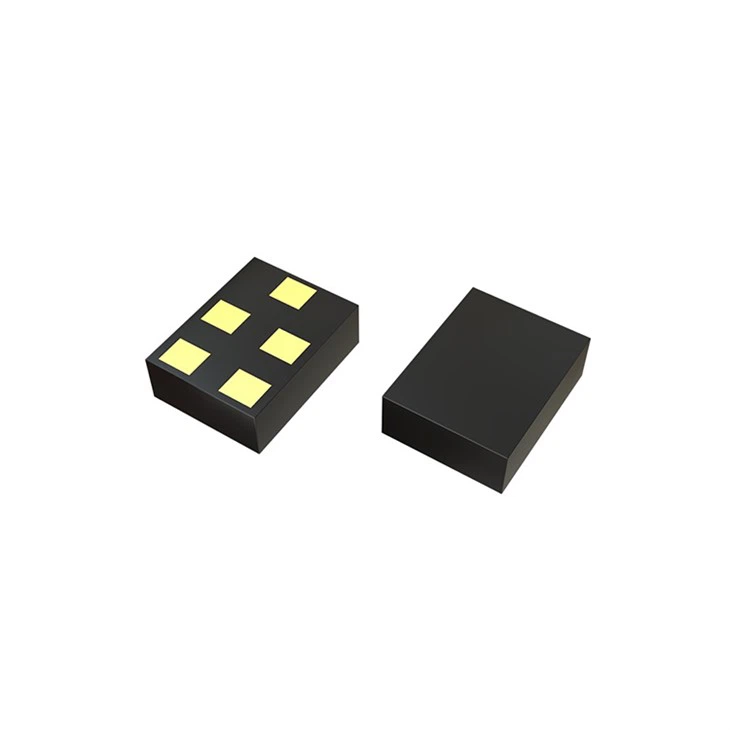
We offer a wide range of SAW filters to meet the diverse needs of our customers. Some of our popular products include SMD Low Pass SAW Filter 1.1x0.9x0.5, Wideband SAW Filter 3.8x3.8mm, and RF SAW Bandpass Filter 3 X 3 X 1.25. These filters are designed with the latest technology to minimize mode conversion and to provide excellent performance in various applications.
Conclusion
Mode conversion is a complex but important phenomenon in SAW filters. Understanding its causes, effects, and practical implications is crucial for the design and manufacturing of high - quality SAW filters. As a SAW filter supplier, we are committed to providing our customers with the best - in - class products by carefully managing mode conversion and other factors that affect filter performance.
If you are in need of high - performance SAW filters for your communication systems, we invite you to contact us for procurement and洽谈 (Note: Here we assume you mean to discuss procurement. In English, we would say "discussion"). We have a team of experienced engineers and technicians who can provide you with professional advice and solutions tailored to your specific requirements.

References
- Campbell, C. K. (1998). Surface Acoustic Wave Devices for Mobile and Wireless Communications. Academic Press.
- Morgan, P. D. (2001). Surface Acoustic Wave Filters. Elsevier.